|
Why do banks change CD rates so often? |
|---|
|
Banks adjust CD rates in response to liquidity needs, loan growth, competitive pressure, and expectations around Federal Reserve policy. Rate changes are typically driven by balance sheet considerations — not short-term marketing decisions. When funding needs shift or margin targets tighten, CD pricing often adjusts accordingly. |
Copy of What Are the Most Common Triggers for a Bank to Change Its CD Rates?
Quick Summary
-
CD rate moves are typically driven by liquidity, loan growth, margin targets, or macro expectations — not emotion.
-
Federal Reserve signaling often matters as much as official rate changes.
-
Competitive pressure influences pricing, but rarely acts alone.
-
Internal cost-of-funds modeling determines how aggressive a bank can be.
-
The first 14 days after a rate move often reveal the true intent behind it.
At RateRooster, we are not bankers.
We don’t sit in ALCO meetings.
We don’t build NIM sensitivity models.
We don’t forecast Fed policy.
What we do is observe the marketplace — daily, objectively, and without incentive bias.
When you watch deposit pricing patterns across institutions and geographies long enough, certain truths become clear:
CD rate changes are rarely impulsive.
They are usually triggered.
Below are the most common forces that prompt a bank to adjust certificate of deposit pricing — viewed through a practical, real-world lens.
1. Federal Reserve Policy — and Expectations Around It
The most visible trigger is movement from the Federal Reserve.
But seasoned executives know something important:
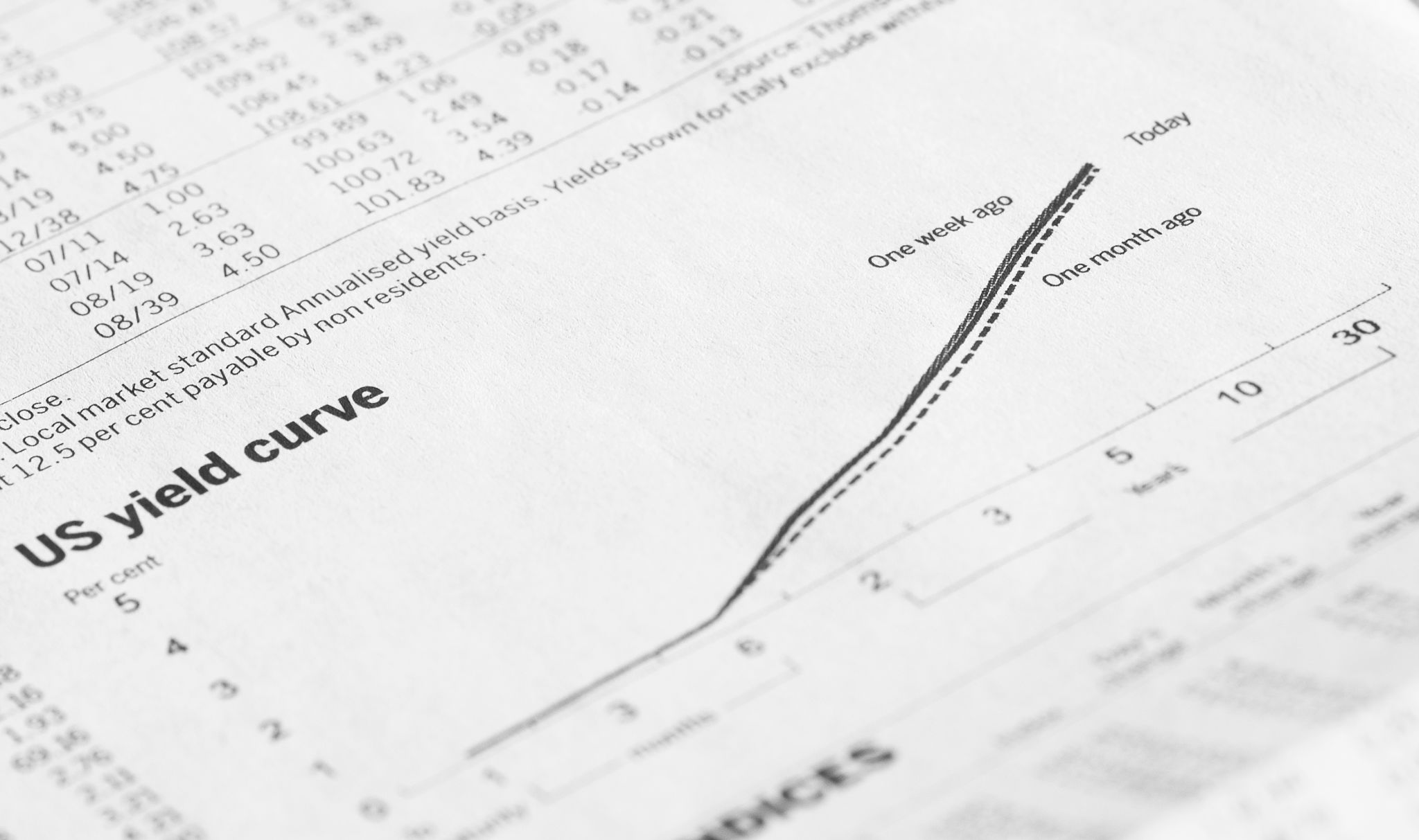
CD pricing often responds to expectations before it responds to policy.
Forward curves, Treasury yields, and market-implied probabilities frequently influence pricing discussions weeks ahead of an official FOMC announcement.
As former Fed Chair Ben Bernanke once noted:
"Monetary policy works largely through expectations."
Banks understand this dynamic well. A 25-basis-point move from the Fed may not be the catalyst — but the anticipation of one often is.
When expectations shift, pricing committees take notice.
2. Liquidity Pressure and Deposit Runoff
Liquidity rarely makes headlines — but it drives behavior.
If deposit outflows accelerate, if a concentration of CDs approaches maturity, or if a bank’s liquidity coverage metrics tighten, rate adjustments can follow quickly.
According to guidance from the Federal Deposit Insurance Corporation, stable funding remains foundational to institutional resilience. Deposit composition and duration matter.
From the outside, a CD promotion might look aggressive.
Inside the balance sheet, it may be stabilizing.
We often observe clustered increases in specific maturities — 9-month or 13-month specials — that signal targeted funding needs rather than broad-based repricing.
That nuance matters.
3. Loan Growth Outpacing Deposit Growth
Strong loan demand creates funding pressure.
When commercial pipelines expand or CRE portfolios grow, deposits must keep pace. Core deposits remain among the most stable and cost-effective funding sources available.
Industry reporting from the American Bankers Association consistently reinforces how critical deposit funding is for regional and community banks supporting local lending.
In these moments, a CD rate increase is not a marketing play.
It is a funding strategy.
Often, you’ll see promotional terms introduced in advance of anticipated loan closings — not after.
Again, from the outside, it looks like competition.
Inside, it may be balance sheet alignment.
4. Competitive Escalation in a Defined Market
Competitive moves matter.
When one institution posts a top-of-market 12-month CD, neighboring banks evaluate the risk of deposit migration.
But experienced pricing leaders rarely ask, “Should we match it?”
They ask:
-
Is the offer capped?
-
Is it new-money-only?
-
Is it online-only?
-
What is the expected volume?
Not every headline rate is designed to scale. Some are visibility plays with built-in volume controls.
From a RateRooster perspective, we often see:
-
Promotional spikes near quarter-end
-
Rapid reversals within 14–21 days
-
Asymmetric moves (one term jumps while others stay flat)
These patterns suggest that what looks like a rate war may actually be controlled experimentation.
Competition influences decisions — but it usually interacts with internal metrics.
5. Cost-of-Funds and Margin Management
Ultimately, CD pricing is a margin equation.
Behind every rate change is modeling:
-
Deposit beta assumptions
-
Cannibalization risk (savings shifting into CDs)
-
Term mix implications
-
Interest expense projections
-
Net interest margin sensitivity
Two banks in the same city can see the same competitor rate and make different decisions.
Why?
Because their balance sheets differ. Their loan yields differ. Their liquidity positions differ.
A 40-basis-point increase may be manageable for one institution and margin-eroding for another.
This is where executive discipline shows.
Rate moves that look aggressive externally are often tightly modeled internally.
What the First 14 Days Reveal
One of the clearest signals we observe at RateRooster is what happens after a rate change.
The first two weeks often reveal intent:
-
Does the bank expand the promotion?
-
Does it retract quickly?
-
Does it adjust only one term?
-
Does it maintain consistency across channels?
Short-lived increases often indicate tactical funding needs. Sustained repricing may signal a broader strategic shift.
Watching rate duration can be as important as watching rate magnitude.
Why This Matters
Understanding triggers behind CD rate changes helps contextualize the marketplace.
Not every increase signals panic.
Not every promotion signals expansion.
Not every top rate signals long-term positioning.
From where we sit, we see patterns — not boardroom debates.
We do not model cost-of-funds.
We do not run pricing committees.
We do not advise on strategy.
What we provide is clarity:
-
Which institutions moved
-
By how much
-
In which terms
-
And how long they sustained it
In a marketplace where perception moves quickly, objective visibility matters.
Rate decisions are complex.
But the signals they leave behind are observable.
And sometimes, understanding the triggers behind those signals is more valuable than predicting the next move.
Frequently Asked Questions
|
How soon after a Federal Reserve rate change do banks change their rates? |
|---|
|
It is typically not immediate. After the Fed makes a change, we see rates start to change 7-14 days after the announcement. However, many banks adjust rates based on market expectations rather than the official announcement itself. Treasury yields and forward rate forecasts often influence pricing decisions before the Fed acts, so it is common to see rate shifts leading up to the official announcement. This is another reason it's important to have easy access to weekly rate shifts. |
|
What internal teams should be involved in a CD rate decision? |
|---|
|
CD rate decisions typically involve Treasury, Finance, Asset-Liability Management (ALCO), and deposit product leadership. Marketing may support communication, but pricing is generally driven by funding strategy, cost-of-funds modeling, and net interest margin analysis. |
|
Are CD promotions always a sign of a rate war? |
|---|
|
No. Promotional CD rates are often targeted funding tools rather than broad competitive reactions. Banks may use specific maturities — such as 9-month or 13-month CDs — to meet defined liquidity goals but check out the rest of their deposit portfolio. If the core deposit product pricing remained untouched, the promos are likely a short-term play from your competitor. |